
"The Ballot of Eden"
A Small Town's
Call to Righteous Leadership"
"I looked for someone among them who would build up the wall and stand before me in the gap on behalf of the land so I would not have to destroy it, but I found no one."
Ezekiel 22:30
Empowering Our Community
We shall not bear fal
150+
15
Community Endorsements
Join Us
In the beginning, the town was whole. Like Eden, it was planted with purpose- rich soil, clear boundaries, and a covenant of care. The people walked in unity, not because they agreed on everything, but because the honored the One who gave them breath and land. But over time, compromise crept in. Not all at once, nut slowly-like weeds in a garden. Decisions were made without prayer. Voices were silenced. The elders who once guarded the gates were replaced by gatekeepers of ego. The town's leadership, though non-partisan in name, became partisan in spirit-divided by pride, favoritism, and fear of change. The people began to groan. Not just from potholes and policies, but from a deeper ache: the loss of righteousness. They remembered the days when leaders walked humbly, loved, mercy, and did justice. They longed for revival-noy just in church pews, but in council chambers. Then came a stirring. Like the prophets of old, a few rose up-not with swords, but with truth. They did not run for office to be seen. They ran to serve. They read of Nehemiah rebuilding the walls. and of Deborah judging with wisdom, of Esther standing in the gap. They reminded the town that leadership is not about control- it is about covenant. Election day came. Not just a vote, but a reckoning. The people did not choose based on party lines- they chose based on Spiritual alignment. A voice said "I cannot find one to stand in the gap to become a bridge builder for the kingdom of God. They asked: "Who will shepherd, not rule?" "Who will restore what was lost?" And when the ballots were counted, heaven rejoiced, not because righteousness was restored. The town did not become perfect overnight-but it remembered its purpose. it began again, like Eden after exile, with leaders who walked in the cool of the day, listening for God's voice.
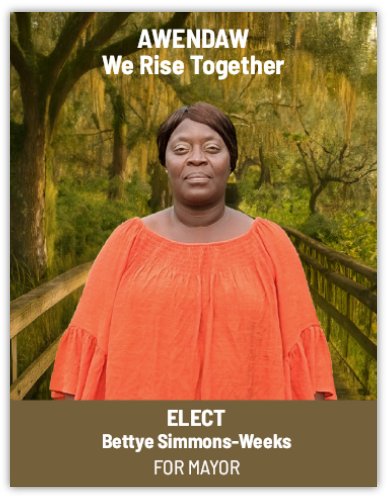
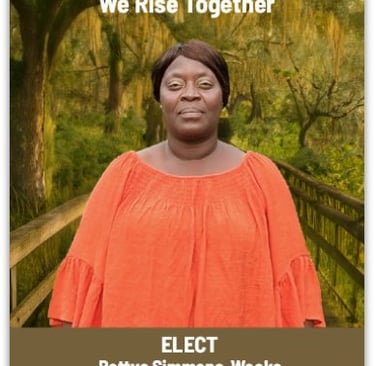
WELCOME TO
"ON THE FRONT LINE"
with Bettyejay
A Call To Righteous Leadership


The Watchman and the Whisper
The Call to Courage
In the days of Esther, Mordecai sat at the king’s gate—not as a passive observer, but as a watchman appointed by God. He discerned plots in silence, raised warnings in wisdom, and refused to bow to the spirit of compromise. His posture was not political—it was prophetic. Mordecai understood that deliverance would come, but he also knew that silence in the face of evil was not an option. Centuries later, in a digital age of confusion and warfare not of flesh and blood, another figure emerged—not named in scripture, but whispered in code: “Q.” To some, Q is a mystery. To others, a movement. But in this spiritual reflection, Q represents the hidden intelligence of heaven—the encrypted voice that stirs the remnant to awaken, to question, and to prepare. Mordecai and Q are not the same, but they share a divine assignment: to expose darkness, protect the innocent, and activate Esther-like courage in those called “for such a time as this.” Mordecai raised a queen. Q raises questions. Both disrupt the silence. Both call forth destiny.
This teaches me to stand firm even when unseen and not all truth is loud for the watchman awaits the whisper voice.
My Life Declaration:
“I will never bow to fear, nor be silenced by confusion. I am positioned at the gate, tuned to the whisper, and ready to act. Like Mordecai, I discern. Like Esther, I arise. And like Q, I question what others ignore.”
The Backstory
Haman, a high-ranking official under King Xerxes (Ahasuerus), plotted to destroy all the Jews in the Persian Empire because Mordecai refused to bow to him.
Mordecai, a devout Jew and Esther’s cousin, discovered the plot and urged Esther to intervene.
Esther, who had become queen, bravely approached the king—risking her life—to expose Haman’s plan and plead for her people.
The Turning Point
Esther invited the king and Haman to two banquets. At the second banquet, she revealed her Jewish identity and exposed Haman’s plot. The king was enraged, and Haman was ultimately hanged on the very gallows he had prepared for Mordecai (Esther 7:10).
21 Century Insight
This story is a powerful reminder that:
-God positions people in places of influence “for such a time as this” (Esther 4:14).
-Evil plans can be reversed when righteous people stand in the gap.
-What the enemy meant for harm, God can turn for good.
Empower Your Vote
Join us in shaping a brighter future for our community together.
Community Engagement
Explore our dedicated pages for events, endorsements, and vital voter resources.


Voter Resources
Access essential tools and information to make your voice heard in the upcoming elections.




Gallery
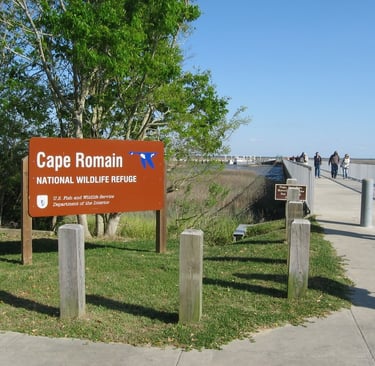
We Rise Together To Save Our Rural Character









Contact Us
"You shall not bear false witness against your neighbor."
What it means
This command is about truthfulness, especially in how we speak about others. it is not just about lying- it is about misrepresenting twisting facts, or damaging someone's reputation through gossip, slander, or deceit.
Do Not lie about people.
Do not spread rumors.
Do not twist the truth to win an argument or gain power.
Do not stay silent when a lie is being told.